
How to Verify Licenses for Roofing and Siding Companies Near Me sets the stage for this informative guide, providing valuable insights into the importance of license verification and the steps involved. This engaging content aims to equip readers with the knowledge needed to make informed decisions when hiring contractors for their roofing and siding projects.
In the following sections, we will delve into the significance of license verification, explore different methods to verify licenses, understand the types of licenses, identify red flags to watch out for, and highlight the benefits of hiring licensed companies.
Importance of License Verification
Verifying licenses for roofing and siding companies is crucial to ensure that you are hiring reputable and qualified professionals for your home improvement projects. By checking for valid licenses, you can avoid potential risks and protect yourself as a consumer.
Risks Associated with Hiring Unlicensed Contractors
- Unlicensed contractors may lack the necessary skills and experience to perform quality work, leading to subpar results and potential safety hazards.
- Working with unlicensed individuals puts you at risk of financial liability in case of accidents or damages during the project.
- Unlicensed contractors may not follow industry standards or building codes, compromising the structural integrity of your property.
How Licenses Ensure Quality Work and Protect Consumers
- Licenses indicate that a roofing or siding company has met certain requirements and standards set by regulatory authorities, ensuring a minimum level of competency and professionalism.
- Licensed contractors are more likely to carry insurance, providing liability coverage in case of accidents or property damage during the project.
- By hiring licensed professionals, you can have peace of mind knowing that your project will be completed according to industry regulations and best practices.
Ways to Verify Licenses
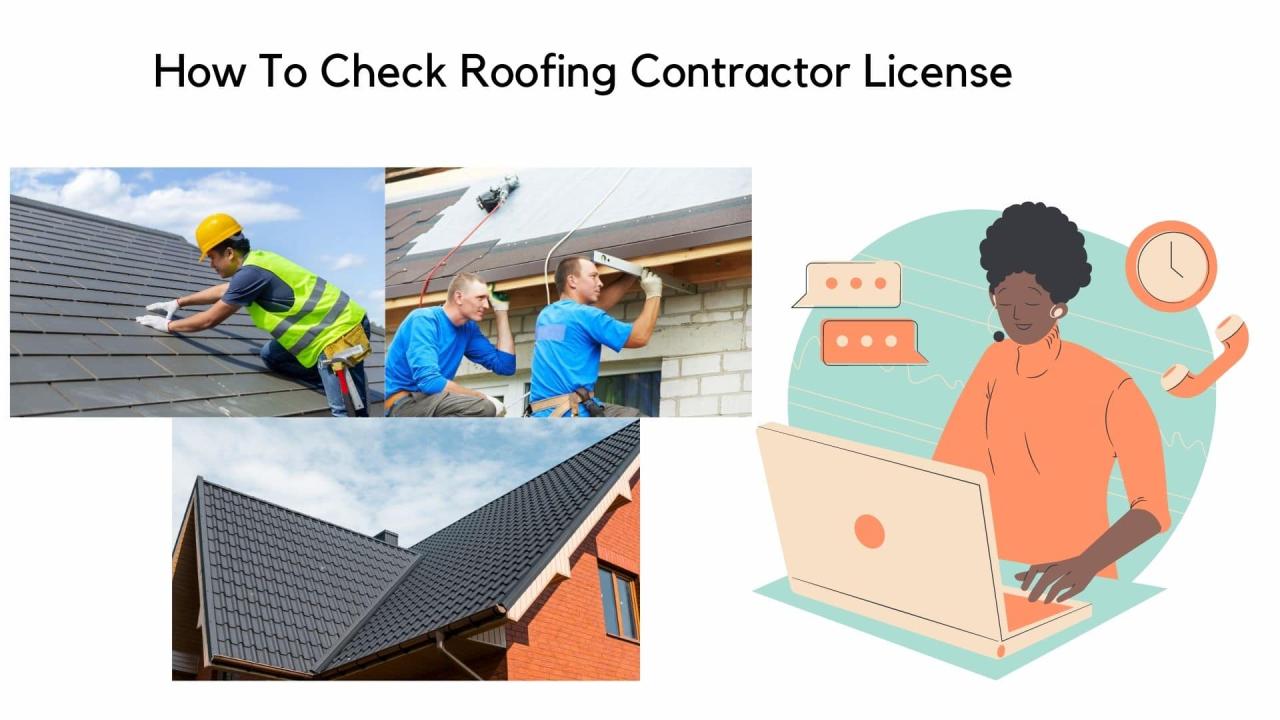 When looking to hire a roofing or siding company, it is crucial to verify their license to ensure they are qualified and legitimate. Here are some methods to effectively verify licenses of roofing and siding companies:
Online Databases
- Check online databases provided by your state's licensing board or government website.
- Enter the company's name or license number to access their licensing information.
- Verify the license status, expiration date, and any disciplinary actions against the company.
Contacting Licensing Boards
- Reach out to the relevant licensing board in your state to verify the company's license.
- Provide the company's name, license number, and any other required details for verification.
- Confirm the license status and validity directly from the licensing board.
Requesting Proof from the Company
- Ask the roofing or siding company to provide you with a copy of their license.
- Check the license number, expiration date, and ensure it matches the information provided by the company.
- Look for any discrepancies or red flags that may indicate an invalid or expired license.
Understanding License Types
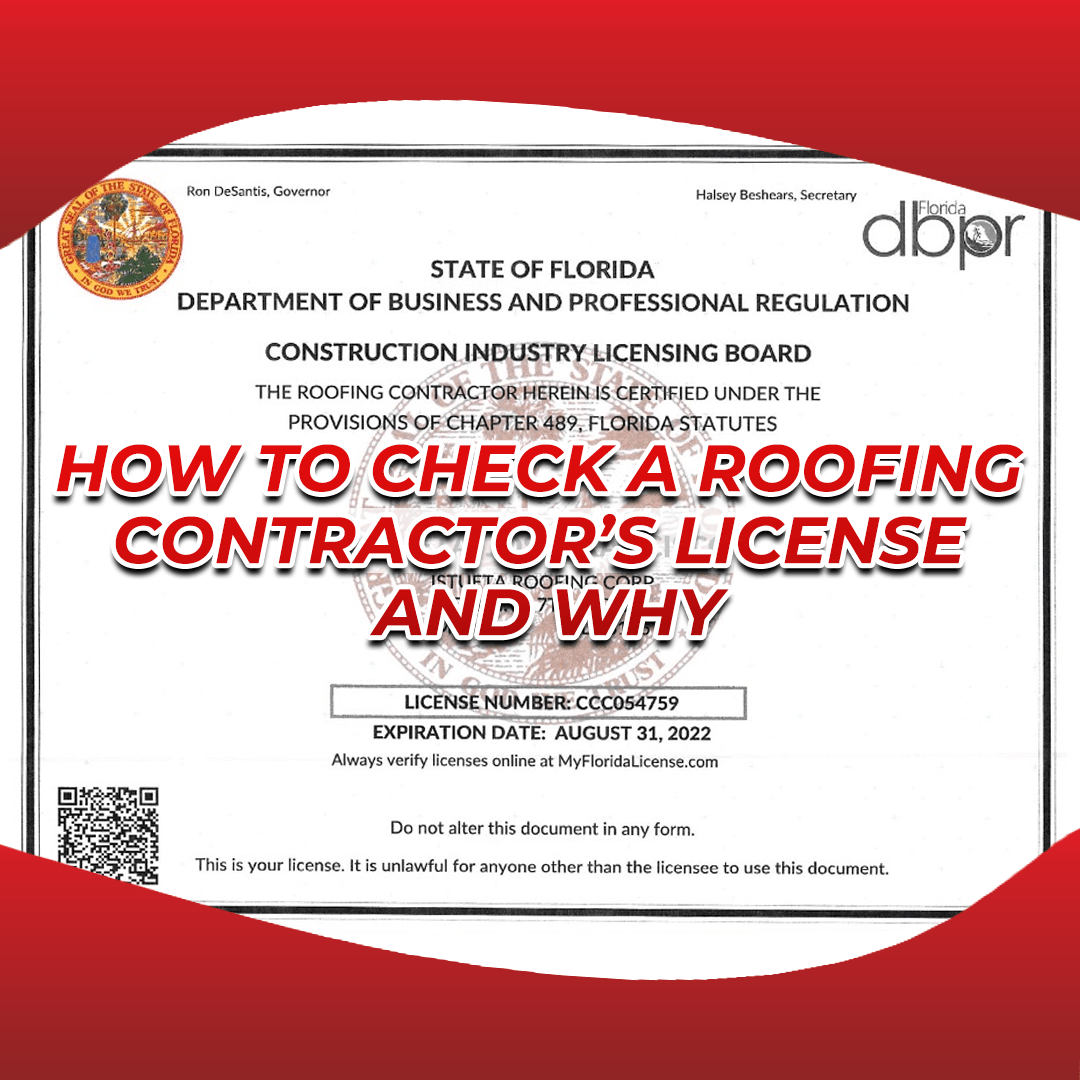
When it comes to roofing and siding companies, there are different types of licenses that they may hold. Understanding these licenses is crucial to ensure that you are working with a reputable and qualified contractor for your project.
Types of Licenses
- Contractor License: This license is typically required for any construction-related work, including roofing and siding. It ensures that the contractor has met the necessary qualifications and standards set by the state or local authorities.
- Roofer License: Some states may require specific licenses for roofers to work on projects involving roofing installation, repair, or replacement. This license demonstrates that the roofer has the skills and expertise needed for the job.
- Siding License: Similarly, siding contractors may need a specialized license to work on siding projects. This license signifies that the contractor is knowledgeable and trained in siding installation and repair.
Significance of Each License
- Contractor License: The contractor license is essential as it ensures that the contractor is legally allowed to perform construction work. It also indicates that the contractor has met certain standards of competency and professionalism.
- Roofer License: A roofer license is crucial for roofing projects as it demonstrates that the roofer has the necessary skills and training to work on roofs safely and effectively.
- Siding License: Siding contractors with a valid license can guarantee quality workmanship and adherence to industry standards when working on siding projects.
Determining Required License for a Project
Before starting a roofing or siding project, it is important to determine if a specific license is required for the work. This can usually be done by checking with your state or local licensing board to understand the regulations and requirements for contractors in your area. Additionally, you can ask the contractor directly about their licensing status and verify it through the appropriate channels.
Red Flags to Watch Out For
When verifying licenses for roofing and siding companies near you, it is important to be aware of common red flags that may indicate a company is not properly licensed. By identifying warning signs during the verification process, you can protect yourself from potential scams or subpar workmanship. Here are some examples of suspicious behaviors or practices to watch out for:Unwillingness to Provide License Information
If a roofing or siding company is hesitant or refuses to provide their license information for verification, this could be a major red flag. Licensed contractors should be transparent and willing to share their credentials with potential customers.Low Bids or Pressure to Make Quick Decisions
Be cautious of companies offering significantly lower bids than other contractors or pressuring you to make a quick decision. Unlicensed or unscrupulous companies may try to undercut prices to win business, but this could result in poor quality work or unfinished projects.Lack of Insurance Coverage
A reputable roofing or siding company should have adequate insurance coverage to protect both their workers and your property. If a company cannot provide proof of insurance or tries to avoid the topic, it could signal potential issues down the line.Poor Online Reputation or Lack of References
Before hiring a roofing or siding company, do some research on their online reputation and ask for references from past customers. A lack of positive reviews or references could indicate a company with a history of dissatisfied clients or questionable practices.No Written Contract or Agreement
Always insist on a written contract or agreement that Artikels the scope of work, timeline, and payment terms before starting a project. Companies that are hesitant to provide written documentation may not be operating professionally or legally.Subcontracting Without Disclosure
If a company plans to subcontract any part of the work, they should disclose this information upfront. Failure to do so could result in unlicensed individuals working on your project, leading to potential liability issues.Unusual Payment Requests
Beware of companies that request full payment upfront or only accept cash payments. Reputable contractors typically ask for a reasonable deposit and set up a payment schedule based on project milestones.Benefits of Hiring Licensed Companies
When it comes to roofing and siding projects, opting for licensed companies can offer numerous advantages. These benefits not only ensure quality work but also provide legal protection for homeowners.Legal Protection
- Licensed contractors are bound by regulations and codes set by local authorities, ensuring that the work meets safety standards.
- In case of any issues or disputes, working with a licensed company allows homeowners to seek legal recourse and protection.
- Insurance coverage is often a requirement for licensed contractors, offering additional protection in case of accidents or damages during the project.
Professionalism and Expertise
- Having a license showcases a contractor's commitment to professionalism and expertise in their field.
- Licensed companies are more likely to have the necessary training, experience, and qualifications to handle roofing and siding projects effectively.
- Customers can have peace of mind knowing that licensed contractors are held to high standards of quality and accountability.
Closing Notes
As we conclude this discussion on how to verify licenses for roofing and siding companies near you, it becomes evident that ensuring contractors are properly licensed is paramount for a successful and stress-free project. By following the guidelines Artikeld in this guide, homeowners can make informed decisions and protect themselves from potential risks.
FAQ Section
Why is license verification important when hiring roofing and siding companies?
License verification is crucial as it ensures that contractors meet necessary standards, have the required skills, and are legally allowed to perform the work, offering protection to consumers.
What are some common red flags indicating that a roofing or siding company may not be licensed?
Common red flags include reluctance to provide license information, offering significantly lower prices than competitors, and displaying unprofessional behavior during interactions.
What are the benefits of hiring licensed roofing and siding companies?
Hiring licensed companies can protect homeowners legally, ensure quality workmanship, and provide recourse in case of issues, serving as a mark of professionalism and expertise.